

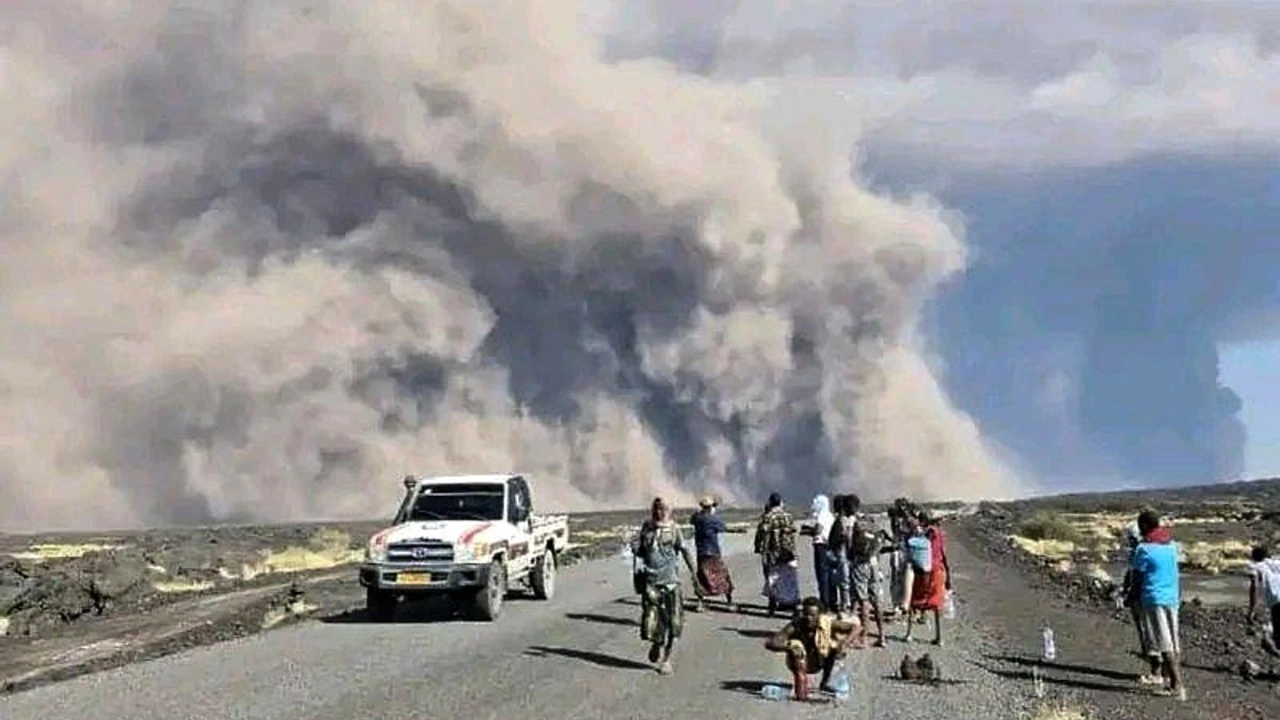
The recent eruption of Hayli Gubbi, a volcano located in Ethiopia’s Afar region, has captured global attention not only for its dramatic volcanic activity but also for its financial impact on industries and economies thousands of kilometers away. This is especially significant for countries in South Asia, including India, which experienced disruptions in aviation and potential effects on agriculture and supply chains. At LearnWealthNow.com, we break down the financial impact of Hayli Gubbi volcano eruption and what it means for investors, businesses, and markets.
Understanding the Hayli Gubbi Eruption
On November 23, 2025, Hayli Gubbi erupted for the first time in recorded history, sending ash plumes soaring as high as 14 kilometers into the atmosphere. Winds carried volcanic ash and gases across the Red Sea and toward the Arabian Peninsula and South Asia. Though geographically distant, this eruption demonstrates that even “dormant” volcanoes can trigger far-reaching economic consequences.
For businesses and investors, it’s important to understand that natural disasters like this are not only environmental events—they also carry financial risks that can affect operations, supply chains, and market sentiment.
Aviation and Transportation: The Immediate Financial Effects
The most visible financial impact of Hayli Gubbi volcano eruption has been in the aviation sector. Airlines such as Air India and Akasa Air had to cancel or delay flights due to the ash cloud.
- Direct costs include lost revenue from canceled tickets, fuel expenses for rerouted flights, and additional accommodation for crew and passengers.
- Indirect costs include disruptions to cargo shipments, delayed business travel, and the knock-on effect on tourism-dependent sectors.
Historically, volcanic ash clouds have proven costly. The 2010 Eyjafjallajökull eruption in Iceland caused airlines worldwide nearly $1.7 billion in lost revenue within a week. While the Hayli Gubbi eruption is smaller, airlines and related businesses in India and the Middle East could face losses in the tens of millions of dollars.
Supply Chain and Commodity Implications
Beyond aviation, the financial impact of Hayli Gubbi volcano eruption extends to supply chains and commodities:
- Shipping and logistics: Ashfall near ports can temporarily halt operations, delaying goods and increasing shipping costs.
- Agriculture: Crops exposed to volcanic ash may suffer damage, impacting prices of staples such as wheat, rice, and vegetables.
- Energy markets: Rerouted flights and increased fuel consumption can slightly influence oil prices, while volcanic emissions like sulfur dioxide may have indirect effects on energy demand and weather patterns.
Investors monitoring commodity markets should consider how volcanic disruptions could cause short-term price fluctuations, particularly in sensitive agricultural and energy sectors.
Health, Local Economy, and Insurance Costs
The financial impact of Hayli Gubbi volcano eruption also manifests in public health and local economies:
- Healthcare costs rise as communities cope with respiratory illnesses caused by ash exposure.
- Tourism in affected regions may decline due to safety concerns, affecting hotels, restaurants, and local transport services.
- Insurance claims may increase for travel disruption, cargo losses, and property damage, leading to adjustments in premiums.
While these costs are largely regional, they represent a hidden economic burden that businesses and governments need to plan for.
Financial Markets and Investor Implications
While global stock markets may not react drastically, certain sectors can experience volatility:
- Airline stocks may dip immediately following volcanic disruptions.
- Insurance companies could see short-term increases in claims, affecting their financial performance.
- Commodities and agricultural sectors may experience temporary price swings due to disrupted supply chains.
For investors, the financial impact of Hayli Gubbi volcano eruption reinforces the importance of risk diversification and portfolio resilience.
Key Takeaways for Businesses and Investors
- The aviation and travel sectors are most vulnerable to volcanic disruptions, even from distant eruptions.
- Agriculture and commodities may face short-term volatility in prices.
- Insurance and risk management strategies need to account for low-probability but high-impact natural events.
At LearnWealthNow.com, we emphasize that understanding these risks is crucial for businesses and investors seeking to minimize losses and stay ahead in uncertain environments.
Conclusion
The Hayli Gubbi eruption highlights how natural disasters can quickly translate into financial consequences far beyond their immediate location. From airlines and cargo logistics to agriculture and insurance, the financial impact of Hayli Gubbi volcano eruption demonstrates the interconnectedness of global markets.
For investors and business leaders, this event is a reminder that geographical distance does not equal economic immunity. Proactive risk management, diversified investment strategies, and awareness of global environmental events are essential in today’s interconnected economy.
Stay informed and make smarter financial decisions with insights from LearnWealthNow.com, your guide to understanding the financial implications of global events like the Hayli Gubbi eruption.